Embark on Your Medical Journey in Georgia for 2024-25
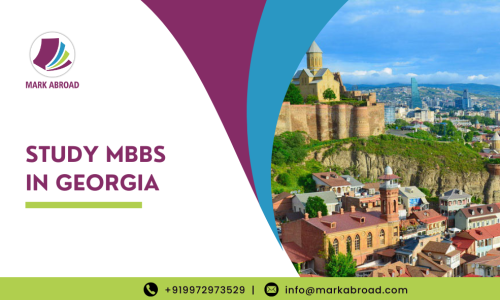
Unlock the door to a flourishing medical career by choosing to study MBBS in Georgia. Each year, Georgia emerges as a premier destination for around 5,000 Indian students determined to excel in the medical field. Georgia’s universities shine as beacons of opportunity, offering lucrative scholarships and a conducive learning environment for MBBS aspirants. The prerequisites are straightforward: a 50% mark in your PCB at the ICSE/CBSE/State Board or equivalent examinations and NEET qualification.
The path to a medical degree spans 6 enriching years, with an annual tuition fee ranging from 5,500 to 8,000 USD. Noteworthy is the absence of any entrance exam, setting Georgia apart as a student-friendly destination. The MBBS curriculum is harmonized with American and European standards, earning accolades and recognition from UNESCO, WHO, and ECFMG.
Five of Georgia’s medical universities are ranked among the top 30 in Europe, a testament to the exceptional academic environment. A jewel in the crown of
Georgian medical education is the intimate teacher-student ratio of 1:20, assuring personalized guidance and fostering a culture of diligence and understanding.
Choose Georgia for your MBBS studies, where quality education meets unparalleled support, propelling you towards your dream of becoming a successful doctor.
Pursue MBBS in Georgia – Essential Resources
Embark on your journey to studying medicine in Georgia with these vital resources at your fingertips:
- MBBS in Georgia: Explore the comprehensive guide to the MBBS program, its benefits, and how it stands out on the global stage
- MBBS Admission in Georgia: Navigate the admissions process with ease, including requirements, deadlines, and step-by-step application procedures.
- Medical Universities in Georgia: Delve into detailed profiles of top medical universities in Georgia, their rankings, accreditations, and campus life.
- MBBS Fees in Georgia: Plan your finances with up-to-date information on tuition fees, living costs, and scholarships available for MBBS students in Georgia.
Snapshot: MBBS in Georgia Overview
- Degree Conferred: MD (Doctor of Medicine), equivalent to MBBS in India
- Annual Intake Period: September
- Course Duration: 6 Years (including internship)
- Eligibility Criteria: Minimum 50% in Physics, Chemistry, Biology (PCB); NEET qualified
- Language of Instruction: English
- Tuition Fees Range: $4,000 - $7,000 USD per year
- Cost of Living: Approximately $200 - $250 USD per month
- Top Medical Universities: Tbilisi State Medical University, Batumi Shota Rustaveli State University
- International Recognition: WHO, FAIMER, NMC, and the Georgian Ministry of Education
Embarking on an MBBS degree in Georgia comes with a host of benefits:
- World-Class Educational Standards: Georgian medical universities align with UNESCO and WHO quality standards, ensuring a robust education.
- Global Recognition: Graduating with a Georgian medical degree enables you to sit for medical licensing exams in the United States.
- Safe and Welcoming: Georgia boasts a secure environment for international students seeking medical education.
- Straightforward Admission: Eligible students can take advantage of direct admissions without the need for any entrance exams or donations.
- State-of-the-Art Facilities: Students have access to modern laboratories to hone their clinical skills effectively.
- International Competence: Graduates from Georgia’s internationally recognized universities are well-equipped to stand shoulder to shoulder with peers worldwide.
- NMC Screening Prep: Universities recognized by the National Medical Commission (NMC) provide additional preparation for the NMC screening tests, equipping graduates for success.
Medical Courses in Georgia
Course | Total Duration |
MBBS (Bachelor of Medicine, Bachelor of Surgery) | 6 Years |
BDS (Bachelor of Dental Surgery) | 5 Years |
B.Pharm (Bachelor of Pharmacy) | 4 Years |
BSc Nursing (Bachelor of Science in Nursing) | 4 Years |
Eligibility Criteria for MBBS in Georgia
For those considering an MBBS degree in Georgia, the following eligibility requirements must be met:
- Age Requirement: Candidates should be between the ages of 17 and 25 and must have completed their 12th-grade examination with at least 50% marks in the science stream.
- Academic Performance: Aspiring students must have achieved a minimum of 50% in their qualifying exams
- Reserved Category Consideration: Candidates from SC/ST/OBC categories are required to score at least 45% marks.
- Entrance Examination: The NEET (National Eligibility cum Entrance Test) is compulsory for all candidates seeking admission to medical universities in Georgia.
- Passport: A valid passport is necessary for all students intending to study abroad in Georgia.
Intake for MBBS in Georgia
Aspiring students looking to pursue an MBBS in Georgia should note the following intake information:
- Application Deadline: Students should submit their applications to Georgian universities by the end of August
- Commencement of Classes: MBBS classes typically start in late September or October
- Admission Process: The process for admission generally begins in September, with selection occurring on a first-come, first-served basis
- Seat Availability: Admission is competitive due to the limited number of seats in Georgia’s medical universities
- Semester Schedule: Candidates are expected to undertake their coursework across two semesters, running from October to February.
Recognition of Medical Universities in Georgia
Georgia’s medical universities have garnered acclaim and recognition from various esteemed medical bodies worldwide. Below is a list of such prestigious
organizations:
- National Medical Commission (NMC): Recognizes medical institutions in Georgia, ensuring that the medical degrees offered are up to global standards.
- Ministry of Education, Georgia: Provides accreditation and monitors the quality of education provided by medical universities in Georgia.
- Educational Commission for Foreign Medical Graduates (ECFMG): Allows graduates of Georgian medical universities to take the USMLE and pursue medical careers in the United States.
- World Health Organization (WHO): Includes Georgian medical universities in its World Directory of Medical Schools, making the degree globally recognized.
- Foundation for Advancement of International Medical Education and Research (FAIMER): Lists Georgian medical universities in its International Medical Education Directory (IMED).
- World Federation for Medical Education (WFME): Ensures that the medical education in Georgia meets international standards, facilitating global recognition of Georgian MBBS degrees.
Documents Required for Admission
For admission into Georgian medical universities, applicants are required to prepare the following set of documents:
- Educational Transcripts: Mark sheets from the 10th and 12th standard examinations must be provided.
- Valid Visa: Candidates should have a student visa to secure their place for the MBBS program in Georgia.
- Medical Fitness: Proof of medical fitness, substantiated by appropriate medical documents, is necessary.
- Proof of Age: A birth certificate is essential for verifying the candidate’s age.
- Photographic Identification: Passport-sized photographs, along with a copy of the passport, must be submitted.
- Financial Evidence: A recent bank statement is needed to demonstrate the financial ability to cover expenses.
- Authorization: An authorization letter may be required as part of the document submission process.
- NEET Documentation: The NEET certificate and scorecard are mandatory for Indian students.
- Invitation Letter: An official invitation letter from the chosen Georgian university must be presented.
MBBS in Georgia: Medium of Teaching
To successfully pursue an MBBS degree in Georgia, it is important to understand the medium of instruction:
- Language of Instruction: The MBBS programs in Georgia are conducted in English at universities approved by the NMC, facilitating a smooth educational experience for international students.
- Language Opportunities: Students also have the chance to immerse themselves in a new culture by learning the Georgian language, which can enrich their communication skills and enhance their stay
- Clinical Training: Familiarity with the Georgian language is advantageous during clinical rotations, as it helps in interacting with local patients and understanding the healthcare system in Georgia.
Admission Procedure for MBBS in Georgia
- Complete the online application accurately to begin your journey towards an MBBS degree.
- After the application, promptly submit all necessary documents as specified
- Upon successful document submission, await the university's invitation letter.
- Subsequently, the NMC will grant its approval for your admission.
- You will receive an official admission letter post verification of your documents, typically within a week.
- Participate in an English proficiency assessment, conducted virtually.
- Following your acceptance, you must deposit the tuition fees at the designated university bank.
- Once the university provides all pertinent documents, the visa application process will be facilitated through VFS Global.
- Typically, the entire admissions process spans approximately 30-45 days.
Duration of MBBS in Georgia
The journey to an MBBS degree in Georgia is structured as follows:
- The academic phase spans five years, primarily focused on classroom and theoretical learning.
- An additional year is dedicated to an internship at affiliated hospitals, providing practical experience.
Advantages of Studying MBBS in Georgia
Opting for an MBBS in Georgia offers significant benefits:
- Georgian medical universities are renowned for delivering high-caliber education that's also cost-effective.
- The high literacy rate reflects the country's commitment to exceptional educational standards.
- Students gain profound knowledge in their field, without the pressure of entrance exams for admission.
- Continuous assessments through tests and practicals bolster learning efficacy
- Workshops and medical events are integral to the curriculum, aiding students in acquiring hands-on experience
- Georgia's welcoming atmosphere and modern facilities foster an excellent learning environment.
Medical Universities in Georgia
The following is a list of medical universities in Georgia, recognized by the National Medical Commission:
Geomedi Medical University | Akaki Tsereteli State University |
University of Georgia | European University |
Batumi Shota Rustaveli State University | David Tvildiani Medical University |
New Vision University, Georgia | Petre Shotadze Tbilisi Medical Academy |
Tbilisi State Medical University | Caucasus International University |
Ilia State University | Ivane Javakhishvili Tbilisi State University |
MBBS in Georgia Fees Structure 2024-2025
Outlined below are the tuition and hostel fees for various medical universities in Georgia:
Name of the Universities | Tuition Fees / Year (USD) | Hostel Fees / Year (USD) |
Geomedi Medical University | 5,500 | 2,000 |
Batumi Shota Rustaveli State University | 4,000 | 3,000 |
Caucasus International University | 6,000 | 3,000 |
David Tvildiani Medical University | 8,000 | 2,400 |
European University | 5,500 | 3,000 |
Ilia State University | 5,900 | 3,500 |
Ivane Javakhishvili Tbilisi State University | 8,000 | 3,000 |
New Vision Medical University | 7,000 | 3,000 |
Petre Shotadze Tbilisi Medical Academy | 7,000 | 3,000 |
Tbilisi State Medical University | 8,000 | 3,000 |
University of Georgia | 5,500 | 3,500 |
Akaki Tsereteli State University | 4,000 | 3,000 |
Important Notes
- Seat Availability: There are a limited number of seats available specifically for Indian students.
- Admission Policy: Admissions for MBBS in Georgia operate on a first-come, first-served basis.
- Language Proficiency: Proficiency in English is a prerequisite for students applying for MBBS from Georgia.
- Examination Requirement: Students must possess a NEET (National Eligibility cum Entrance Test) pass scoring card.
- Course Duration: The MBBS course in Georgia typically spans a period of 5 years of academic study plus 1 year of internship.
Top Medical Universities in Georgia
For medical aspirants aiming to pursue specializations and secure an operating license, Georgia’s medical universities represent an excellent choice. The MBBS programs in Georgia relieve students from the obligation of language proficiency tests such as IELTS and TOEFL, streamlining their academic journey. Boasting over 15 prestigious medical universities, Georgia offers institutions that are recognized by top global medical councils including WHO, UNESCO, and the National Medical Commission (NMC). This global recognition ensures that a medical degree from Georgia carries significant weight across the world.
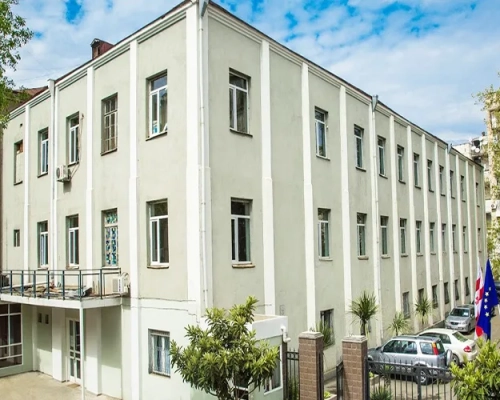
Geomedi Medical University
Geomedi Medical University stands as one of today's most distinguished institutions,
thanks largely to the comprehensive scholarship opportunities and affordable tuition
it offers. Students at Geomedi are well-prepared for their medical careers with NMC
Preparation classes and benefit from a vast collection in the university’s well-stocked
library. The education here means investing in quality without financial strain, with
English-taught courses that equip you with the necessary knowledge and resources.
- Inception - 1998
- Recognition - Recognized by NMC, WHO, AMEE, EMSA, FAIMER, IMED, ECFMG
- Program Length: 5 Years + 1 Year Internship
- Medium of instruction - English
- Eligibility Criteria 10+2 with 50% marks, NEET
- Application Deadline - 1st August 2024
Ivane Javakhishvili Tbilisi State University
Ivane Javakhishvili Tbilisi State University, one of Georgia's most historic and
prestigious universities, was founded in 1918 through the efforts of four eminent
scientists. With five branches and sixty scientific research labs, the university boasts
strong affiliations with respected institutions like the University of Saarland in
Germany and Brunel University in the United Kingdom, not to mention its standing
with the Association of European Universities, UNESCO, and the Council of Europe.

- Foundation Year - 1918
- Recognition - NMC, WHO, AMEE, EMSA, FAIMER
- Program Length 5 Years + 1 Year Internship
- Medium of instruction - English
- Last Date to Apply10+2 with 50% marks, NEET
- Application Cutoff Date - August 1, 2024
Tbilisi State Medical University
Tbilisi State Medical University is renowned for its commitment to quality education
and extensive medical experience. Recognized by the National Medical Commission
(NMC) and the World Health Organization (WHO), it stands as one of Georgia's
foremost medical colleges. Students can expect English-language instruction and
access to vast resources such as a well-equipped library, facilitating an enriching
learning experience.

- Foundation Year - 1918
- Global Recognition - NMC, WHO
- Program Length 6 Years (5 Years of Study + 1 Year Internship)
- Medium of instruction - English
- Admission Requirements 10+2 with at least 50% marks, NEET required
- Application Cutoff Date - August 1, 2024
Ilia State University
As a leading institution in Tbilisi, Ilia State University, established in 2006, is
exemplary in its diverse academic offerings, including its Faculty of Natural Sciences
and Medicine. With a curriculum delivered in English and a multi-disciplinary
approach, Ilia State University appeals to international students seeking a
comprehensive medical education. It provides an opportunity not to be missed for
those looking to pursue an MBBS in Georgia.

- Foundation Year - 2006
- Endorsements - NMC, WHO, AMEE, EMSA, FAIMER
- Program Length 6 Years (5 Years of Study + 1 Year Internship)
- Medium of instruction - English
- Admission Requirements 10+2 with at least 50% marks, NEET required
- Application Cutoff Date - August 1, 2024
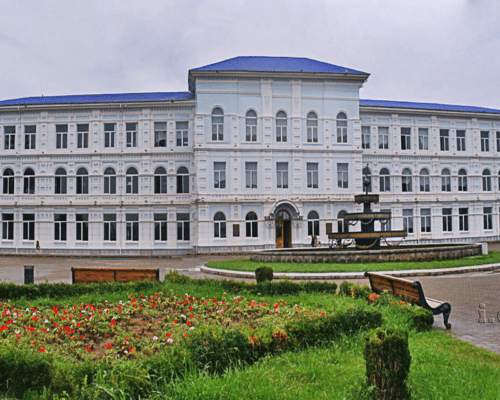
Batumi Shota Rustaveli State University
Recognized as one of Georgia's rapidly evolving universities for MBBS studies,
Batumi Shota Rustaveli State University excels in the realm of medical education.
Established in 1923, it is lauded for its provision of exemplary educational services,
advancement of clinical practices, and contributions to medical science.
- Foundation Year - 1923
- Endorsements - NMC, WHO
- Program Length 6 Years Total (5 Years of Education + 1 Year Internship)
- Medium of instruction - English
- Admission Requirements 10+2 with 50% marks, NEET certification
- Submission Deadline - August 1, 2024
University of Georgia
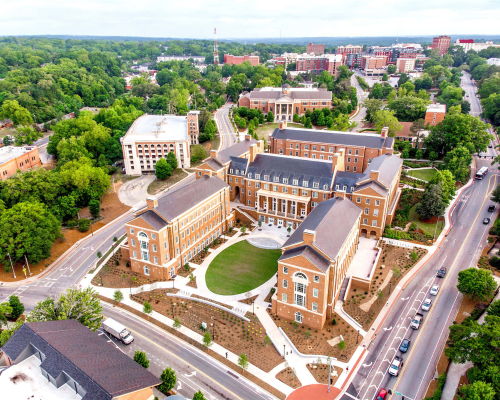
The University of Georgia, founded in 2004, is celebrated for its vibrant student
community and broad-ranging educational programs. Its comprehensive sports and
quality degree programs contribute to its recognition as both a landmark and
seafront university renowned for its medical educational programs.
- Foundation Year - 2004
- Accreditations - NMC, WHO
- Program Length 6 Years Total (5 Years of Education + 1 Year Internship)
- Medium of instruction - English
- Admission Requirements 10+2 with 50% marks, NEET certification
- Submission Deadline - August 1, 2024
European University
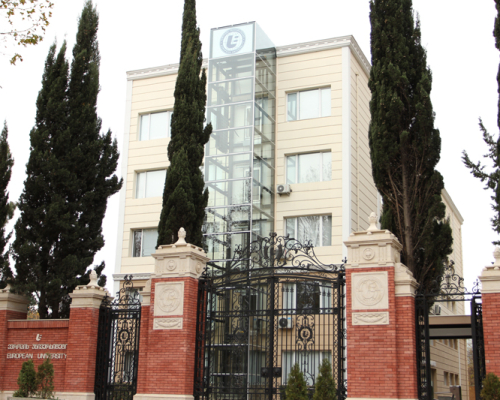
The European University in Georgia, established in 2003, ranks among the top
institutions for aspiring medical professionals. It is distinguished for its high
standards in education and its adherence to the best teaching practices found in
European education, setting its students on the path to success in the medical field.
- Foundation Year - 2003
- Accreditations - : NMC, WHO
- Program Length 6 Years Total (5 Years of Education + 1 Year Internship)
- Medium of instruction - English
- Admission Requirements Must have completed 10+2 with at least 50% in relevant streams and NEET qualification
- Submission Deadline - August 1, 2024
Petre Shotadze Tbilisi Medical Academy
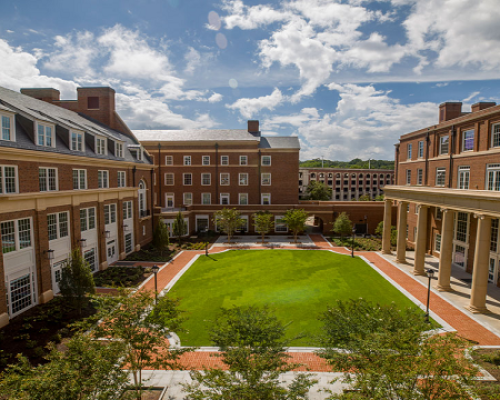
If realizing your ambition to study MBBS in Georgia is your goal, Petre Shotadze
Tbilisi Medical Academy is a highly affordable and prestigious option. Ranked 29th
among the best medical colleges in Georgia, this institution prides itself on
producing some of the finest medical professionals. The academy is renowned for
its highly qualified faculty, comprehensive library resources, and state-of-the-art
laboratories, all dedicated to shaping the world's future healthcare leaders.
- Foundation Year - 1992
- Accreditations - NMC, WHO
- Program Length 6 Years Total (5 Years of Education + 1 Year Internship)
- Medium of instruction - English
- Admission Requirements Must have completed 10+2 with at least 50% in relevant streams and NEET qualification
- Submission Deadline - August 1, 2024
Caucasus International University
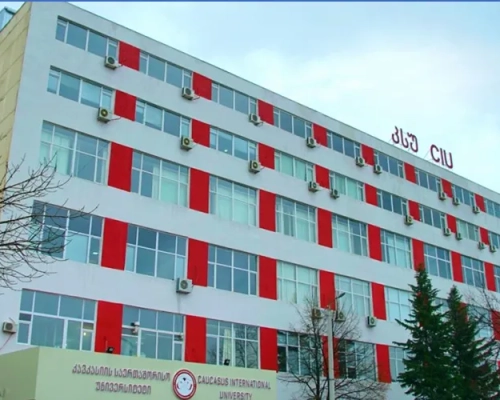
Caucasus International University, situated in Tbilisi and acclaimed for its
contribution to educational and socio-economic advancement, is an excellent choice
for students from India, among others. With a significant international student body
and a formidable academic staff exceeding 100 members, Caucasus International
University is at the forefront of cultivating knowledge and cultural insight that align
with modern educational values.
- Foundation Year - 1995
- Accreditations - NMC, WHO
- Program Length 6 Years Total (5 Years of Education + 1 Year Internship)
- Medium of instruction - English
- Admission Requirements Must have completed 10+2 with at least 50% in relevant streams and NEET qualification
- Submission Deadline - August 1, 2024
NMC Passing Percentage of MBBS in Georgia
The NMC (National Medical Commission) screening test is a crucial step for MBBS
graduates from Georgia who seek to practice medicine professionally. Here are
some key points:
- Mandatory Examination: The NMC screening exam is compulsory for those intending to gain medical licensure.
- Application Numbers: Records indicate that approximately 13,364 candidates have attempted this examination.
- Qualification Rate: Out of those who applied, around 2,767 students meet the criteria to sit for this exam.
- Passing Statistics: The pass percentage for the NMC screening test for MBBS in Georgia stands at 50.70%.
Syllabus for MBBS in Georgia
The MBBS curriculum in Georgia is systematically structured over six years, covering
a comprehensive range of medical subjects:
Year | Semesters | Syllabus |
1st | 1st Sem. | Anatomy, Biochemistry, Medical Genetics, History of Medicine, Molecular |
2nd Sem. | Anatomy and Histology, Cardiovascular & Respiratory Systems, Clinical & | |
2nd | 3rd Sem. | Histology, Bio-Chemistry, Anatomy, Nervous System, Respiratory System, |
4th Sem. | Physiology, Bio-Chemistry, Cardiovascular System Digestive System, Urogenital | |
3rd | 5th Sem. | Micro-Biology, Pathology, Pharmacology, Pathology (Anatomy), Physical |
6th Sem. | Pathology, Path physiology, Pharmacology Research Skills, Basics of Clinical | |
4th | 7th Sem. | Surgery I / Clinical Skills I, Phthisiatry, Obstetrics, Urology, Nephrology, Clinical |
8th Sem | Internal Medicine I / Clinical Skills I, Neurology, Medical Psychology, | |
5th | 9th Sem. | Surgery 2 / Clinical Skills 2, Internal Medicine 2 / Clinical Skills 2, |
10th Sem. | Elective Oncology, Oncology, Elective Course, Psychology, Pediatrics, ENT, | |
6th | Internship | A practical phase involving rotations through various medical departments to |
Challenges Faced by Students in Georgia
International students in Georgia may encounter several challenges, but with the
right approach, these can be overcome:
- Adapting to Climate: Awareness of Georgia's climate is crucial for acclimatization.
- Cultural Adjustment: Students must be prepared to immerse themselves and quickly adapt to the new culture.
- Practical Skill Development: Rigorous practice on dummies is necessary for developing practical medical skills.
- Language Barrier: Learning the local language promptly is a challenge but is essential for communication.
- Cuisine: Finding specific cuisine types from home may be difficult.
- Disease Familiarity: Unfamiliarity with local diseases can pose a challenge for medical students.
Is Georgia Safe for Indian Students?
Georgia is considered a safe destination for Indian students due to several factors:
- No Racism: The country is known for its tolerance, with zero tolerance for racism.
- Welcoming Environment: The friendly atmosphere makes it easier for Indian students to settle in.
- Robust Legal System: A strong law structure contributes to the overall safety of the country.
- Low Crime Rate: Georgia boasts a low crime rate, ensuring the safety of students.
Reviews of Indian Students Studying MBBS in Georgia
Particulars | Rating out of 5 |
Safety of Students in Georgia | 4.00 |
Education System | 3.50 |
Tuition Fees | 4.50 |
Recognition of Medical Universities | 3.90 |
Living Cost | 3.80 |
Visa | 3.60 |
Climate | 3.30 |
Scholarships for MBBS in Georgia
- Georgian medical universities typically do not offer scholarships to candidates directly.
- The government of Georgia allocates a significant budget portion to support the medical education sector.
- Based on academic performance, students may receive stipends to assist with tuition fees, hostel costs, etc.
Timeline for MBBS in Georgia
Process | Month |
Registration | April - May |
10+2 Results | May - June |
Admission | June - July |
Invitation | July - August |
Visa | September |
Departure | September |
Registration with the University | September to October |
Classes | November to December |
Examination | January 9 - February 4 (Final Exams); February 10-16 (Supplementary |
Holidays | December 27 - January 7 and February 17 – 28 |
Accommodation Facilities for MBBS Students in Georgia
Students considering studying MBBS in Georgia should be aware of the following
accommodation options:
- Georgian universities offer a range of accommodation facilities to their students.
- Options include on-campus housing and private hostel facilities
- Students looking for a homestay experience can find arrangements with local hosts.
- For those desiring more independence, private apartments are available.
- University hostels typically provide free Wi-Fi services.
- Shared kitchen facilities are also offered, enabling students to cook their meals.
The Education Loan for MBBS in Georgia
Students considering studying MBBS in Georgia should be aware of the following
accommodation options:
- Georgian universities offer a range of accommodation facilities to their students.
- Options include on-campus housing and private hostel facilities.
- Students looking for a homestay experience can find arrangements with local hosts.
- For those desiring more independence, private apartments are available.
- University hostels typically provide free Wi-Fi services
- Shared kitchen facilities are also offered, enabling students to cook their meals.
The Education Loan for MBBS in Georgia
To finance an MBBS degree from a Georgian university, it’s important to understand
the available education loan options:
- Georgian universities assist students in obtaining education loans.
- Eklavya Overseas provides support with documentation and paper works for loan processing, but the university extends the loan itself.
- Students also have access to loan repayment facilities post-graduation.
- Private education loans can also be availed by showing proof of enrolment.
Student Expenses During MBBS in Georgia
MBBS candidates must plan their finances by considering the various expenses they
will incur:
- The cost of living in Georgia is comparatively lower, making it a financially viable option.
- Food expenses in the country are quite reasonable.
- Travel within the country is cost-effective.
- Medical insurance, which is mandatory, may require additional budgeting.
Costs for MBBS Students in Georgia
Items | Cost |
Insurance | 160 USD to 260 USD per year |
Medical Check-Up | 100 USD to 200 USD per year |
VISA Extension | 150 USD to 300 USD per year |
Food Cost | 100 USD to 130 USD per year |
Hostel Fees | 250 USD per year approximately |
Living Cost | 250 USD per year approximately |
About Georgia
Georgia is an enchanting country that boasts both natural beauty and a rich cultural
heritage. Its features make it an attractive destination for students from around the
world:
- Georgia is known for its serene landscapes and historical sites, offering a sense of paradise to its visitors.
- The country has a diverse and vibrant cultural background that fascinates those who arrive.
- It is not overly crowded, providing a comfortable living and studying environment.
- Commuting within Georgia is convenient, enhancing the daily experience of its inhabitants
- The education system, particularly in medical studies, is highly regarded, drawing students globally.
- Georgia's universities are known for their advanced medicine programs and affordable costs.
- The variety of cuisines available caters to a range of tastes and preferences.
- Georgia is home to some of Europe's most famous museums and is a treasure trove for those interested in travel and exploration.
FAQ for MBBS Study in Georgia
Q1. What is the duration for MBBS in Georgia?
A1. In Georgia, the candidates are provided with five years of classroom learning.
One year would be given to the students for the internship facility.
Q2. Can students work while studying MBBS in Georgia?
A2. Yes, students can do a part-time job while studying MBBS.
Q3. Is there any scholarship facility for the students?
Q4. What will be the travel arrangement for the students in Georgia?
A4. If you want to study here, you must carry warm clothes to fight the cold
weather.
Q5. How many times can the candidates appear for the NMC screening test?
Q6. Is NEET mandatory for MBBS course in Georgia?
mandatory for MBBS students.